



Barn Ventilation Blog
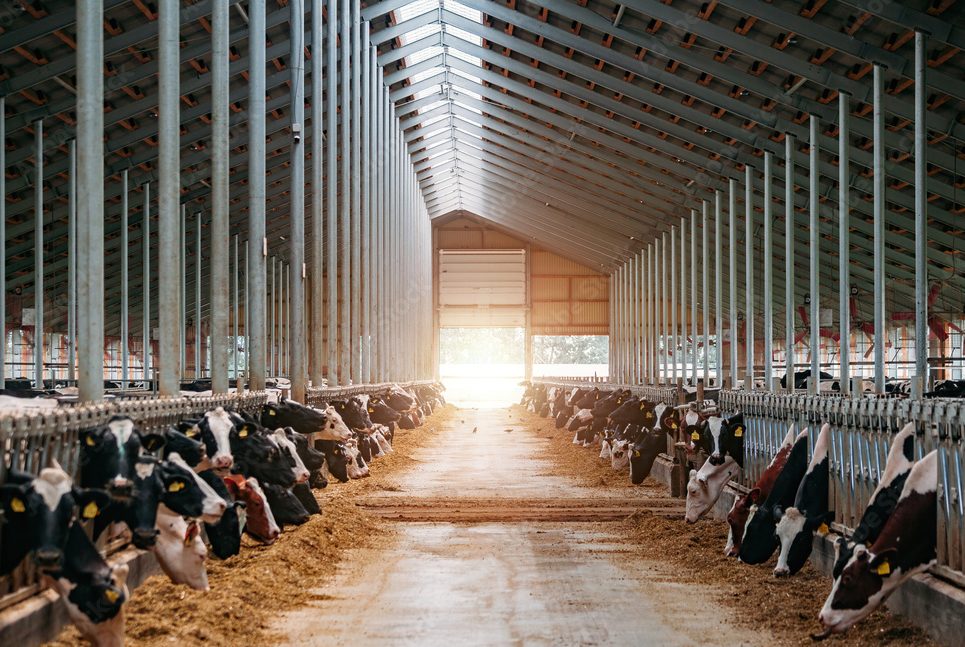
Energy Efficient Barn Ventilation: What It Actually Costs to Run Your System
ClimaBarn's fabric ducting provides energy efficient barn ventilation while using less electricity.
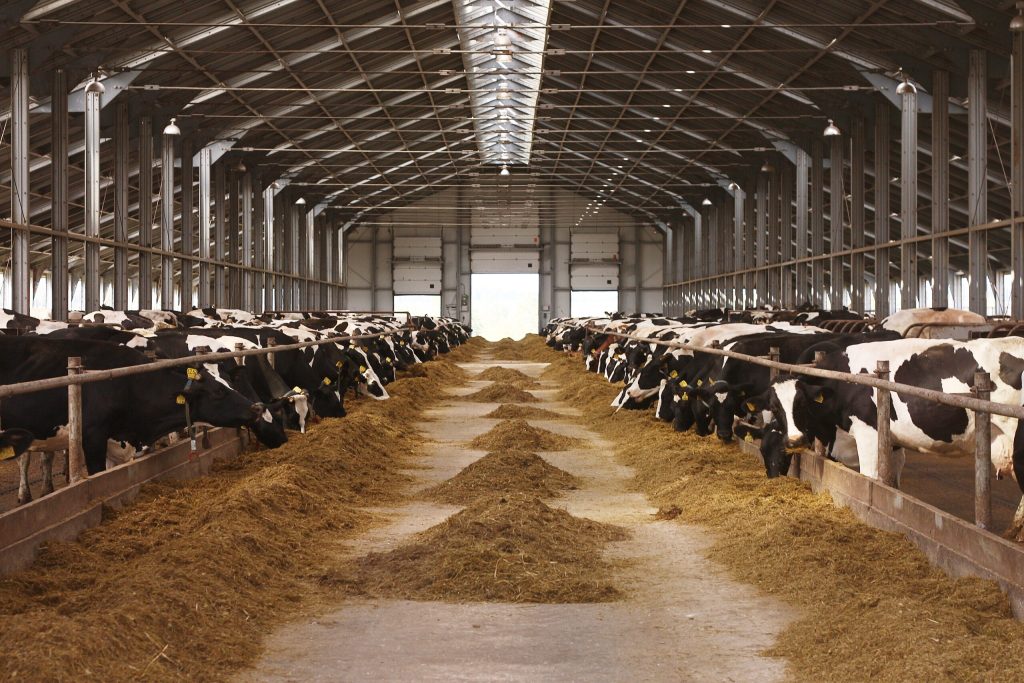
Why Fabric Duct Systems Perform Better Than Passive Ventilation For Dairy Barns
Fabric ducting keeps dairy cows cooler, from windy pastures to still, humid summer days, performing better than passive ventilation.
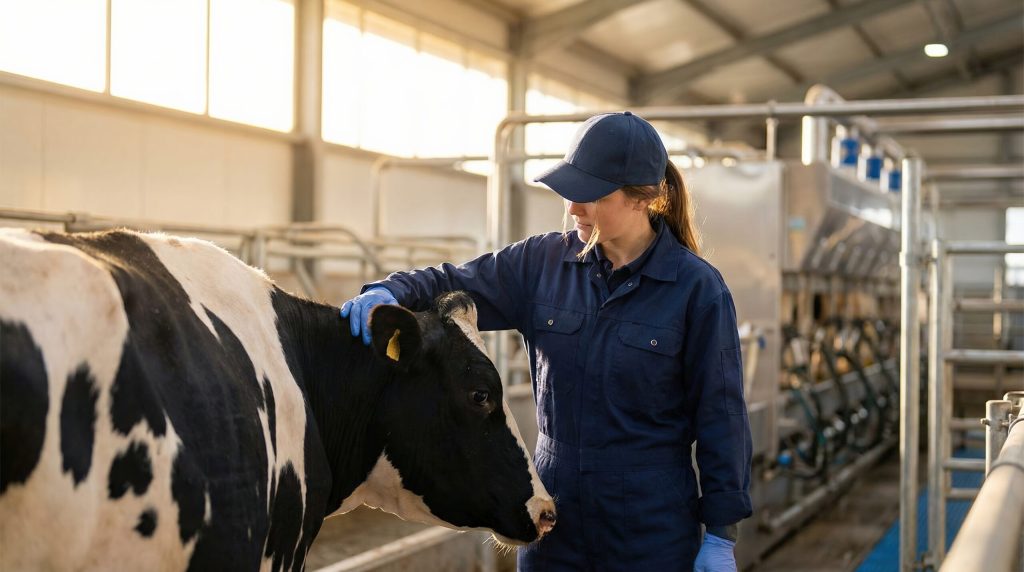
The Real Cost of Heat Stress: What It's Actually Costing Your Dairy Herd
Discover the real cost of heat stress in dairy cows, from milk yield and fertility losses to long-term herd and profitability impacts
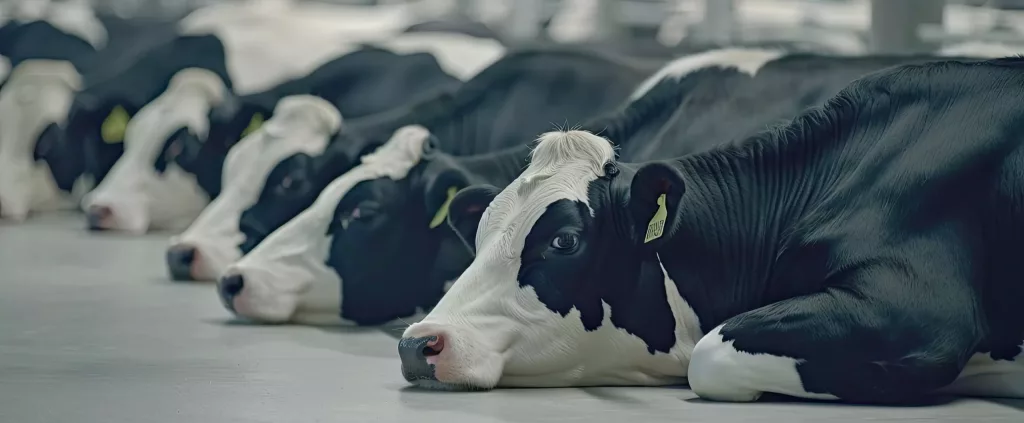
Understanding the Temperature-Humidity Index (THI): What Every Dairy Farmer Needs to Know
The Temperature-Humidity Index (THI) is a measurement that combines air temperature and relative humidity to assess heat stress risk in dairy cows. Farmers use THI to determine when environmental conditions may begin affecting feed intake, milk production, fertility, and overall cow welfare.
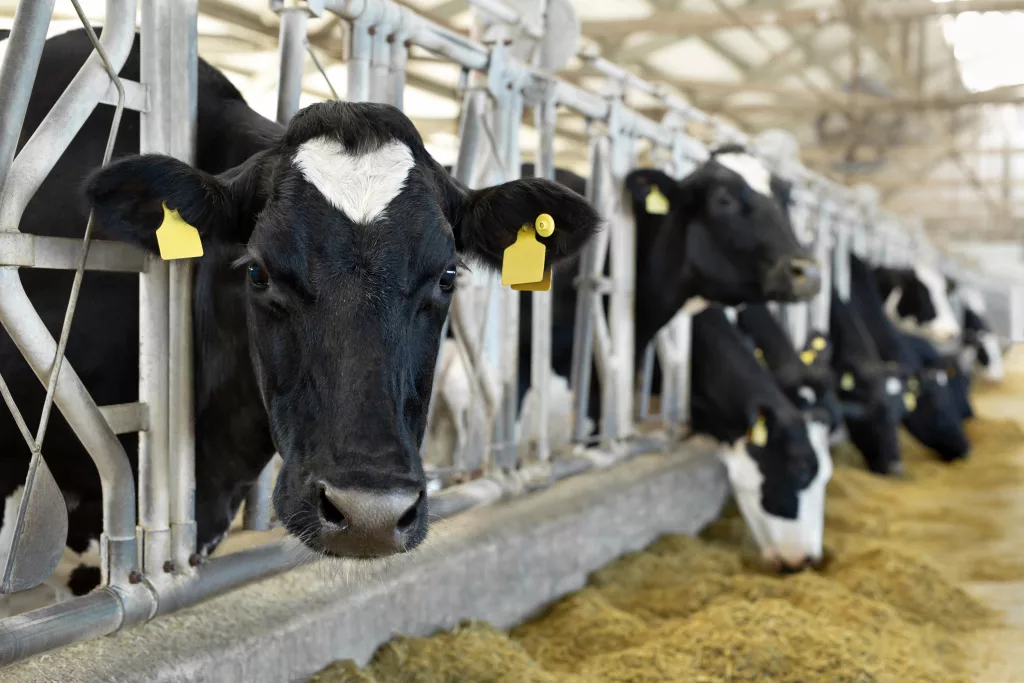
Barn Ventilation Retrofits Without Disrupting Daily Milking
A barn ventilation retrofit is the process of upgrading an existing dairy barn's airflow system without constructing a new facility. Modern retrofit solutions, including fabric duct ventilation systems, can improve air distribution, reduce heat stress, and support milk production while allowing farms to maintain normal daily operations and milking schedules.
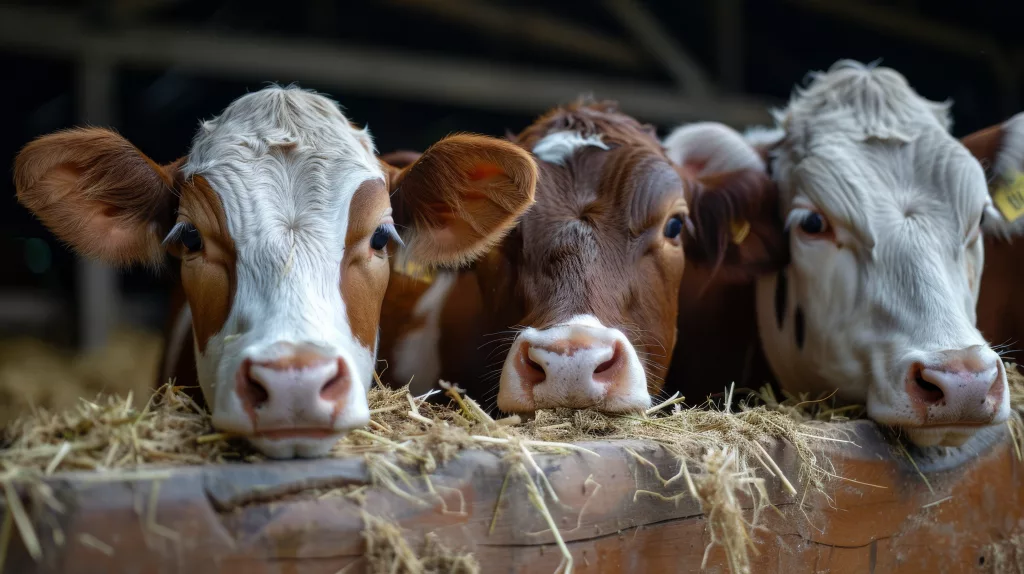
5 Warning Signs Your Cows Are Suffering from Heat Stress
Heat stress in dairy cows can reduce feed intake, lower milk production, and impact fertility. Common warning signs include increased panting, reduced feed consumption, declining milk yield, crowding around airflow sources, and changes in resting behavior. Identifying these symptoms early helps farmers take action before significant production losses occur.

